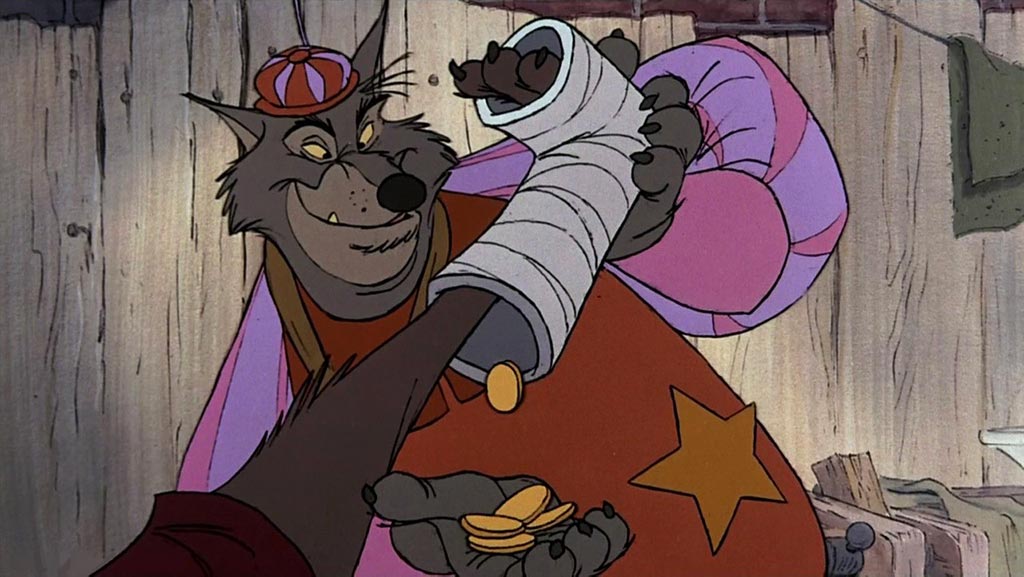
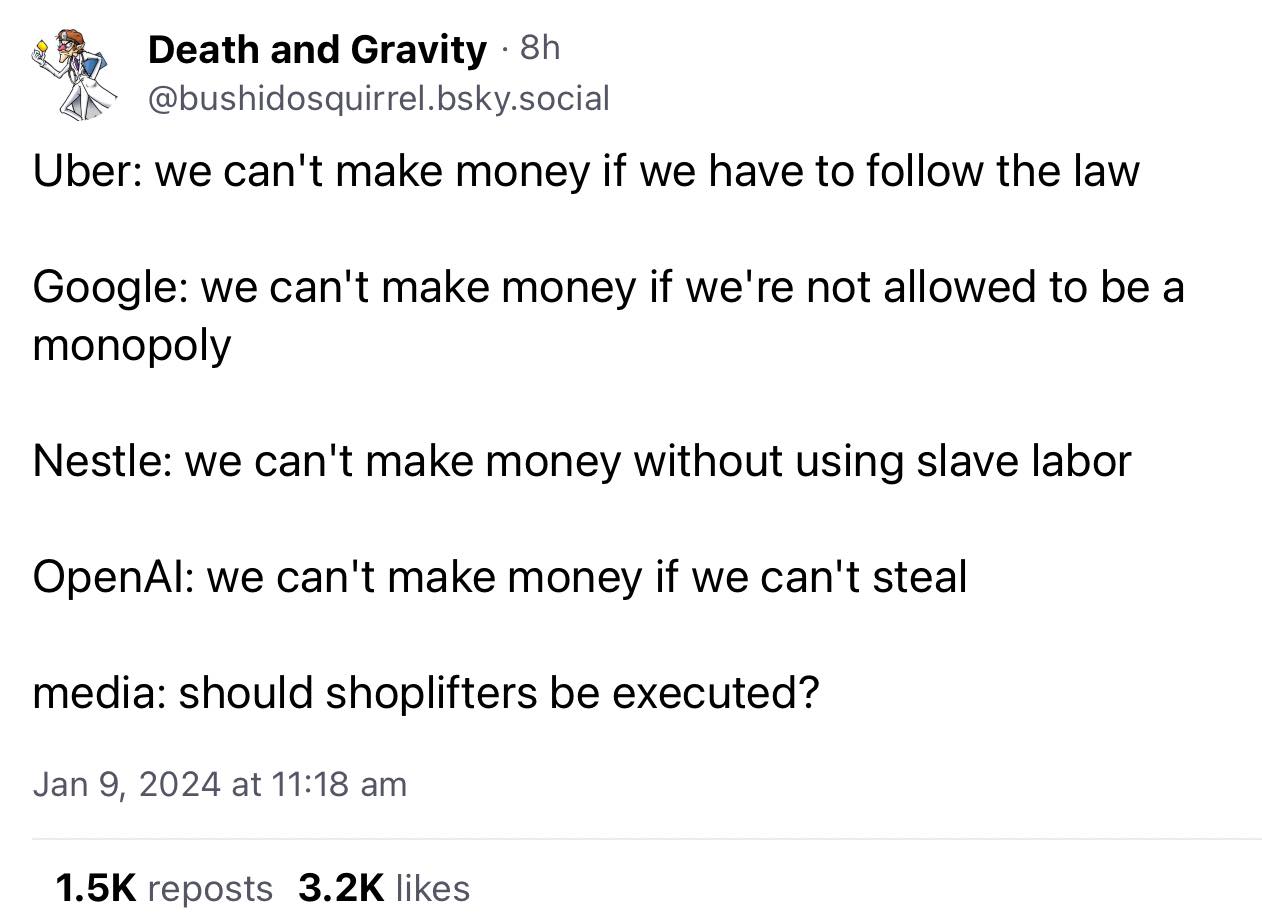
Who is it okay to steal from?
Propaganda bombards us constantly. One of the most obvious recent examples is the contrast between how the media covers different types of theft. Let’s see if we can untangle the intricate logic behind what makes it acceptable for some, but not others. Who’s allowed to play thief, and who is it okay to steal from?
The Current Iteration of A.I. Hype
In 2022 I got excited playing around with MidJourney, a generative A.I. tool for images. Since then, I’ve thought about A.I. more than I ever wanted to. I want to share my thoughts here, since people keep asking about it.
At first, I saw the $30 I paid to MidJourney the same way I see my payments to Adobe every year to use PhotoShop: paying the makers of a tool for its use. After more thought and research into how they created MidJourney and other A.I. tools, I realized I was paying a thief for stolen creative materials. I no longer use these tools and actively campaign for their regulation.
Open the Black Box
The method I’d choose to regulate A.I. would likely kill the worst parts of the industry, which is intentional. I’d explicitly state:
Any person or corporate entity who uses artificial intelligence in their process is absolutely liable for any behavior of their products they can’t adequately explain as they would human decisions.
It would reduce the hand-waving perceived immunity these executives currently think they have from the black box of unsupervised learning. Hopefully, we can enable our legal system to skip the part where con men waste time trying to pitch how magical their product is to avoid admitting they wrote and released software that provides worse healthcare for black people. At the very least, it’d require orgs to hire human moderators lightning rods they can throw under the bus when the subpoenas arrive.
Dodging or muddling accountability is one of the most attractive selling points of A.I. tech. Investors know it but don’t want to say it too loudly. We’ve seen similar policies play out in recent years as Section 230 shaped the dismal state of social media today.
Art
Some may feel I’m naive for my views on art. I’m okay with that.
Art is the purest, most valuable thing we create. Art’s value is unique specifically because of its inessentiality. We may need air, food, water, shelter, and physical connectedness for basic biological needs, but we need to create and consume art for survival of our souls. It may not be required for base survival, but it instills the will to live.
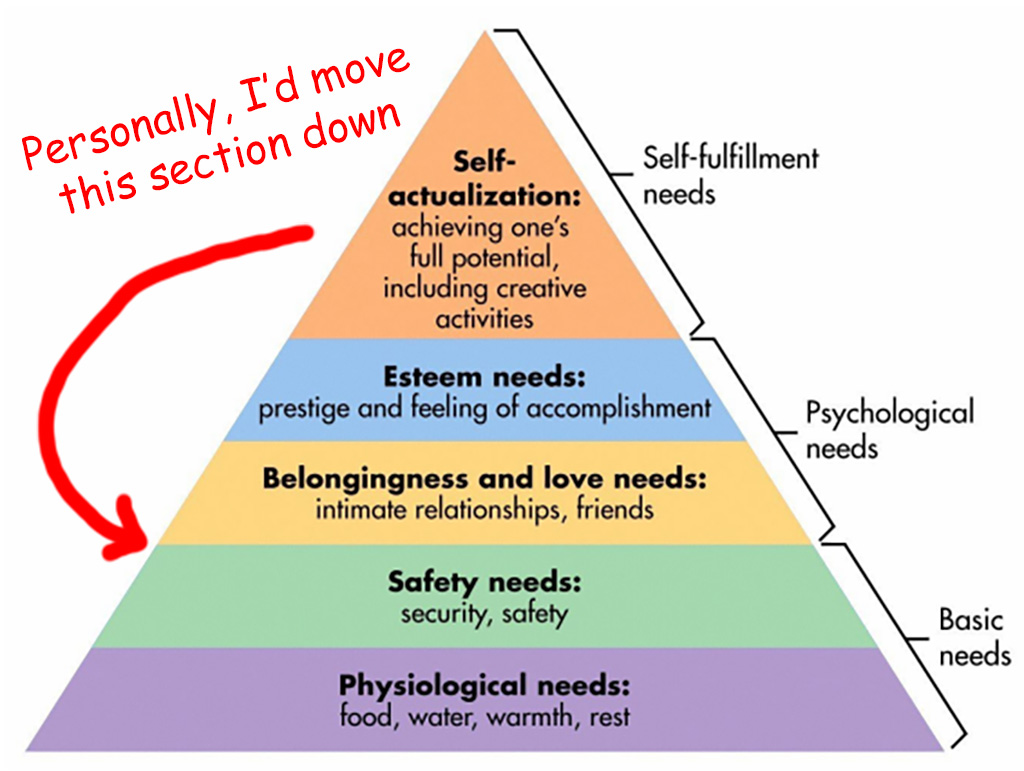
As a privileged white American millennial with a reliable internet connection, the primary threat to my survival (other than automobiles) has been a wavering will to live. I’m my own apex predator. The ability to express myself is a huge stabilization factor.
Scribbled crayon drawings on the refrigerator door gallery are more valuable than a large hadron collider. It’s laughably misguided to attempt assigning monetary value to it.
Creativity for Money
The only reason artists sell our work is because we must. If I had the freedom to use my time however I pleased without needing to constantly pour cash into a ceaselessly growing leaky bucket, I’d be writing, drawing, designing, coding, making videos and games, and sharing them freely. Art naturally occurs for the creative human. It finds a way to come out of us or kill us trying.
Check out these great deals on women’s denim!
Writing I did for money
Is this more valuable than what I’ve written for free here on my site? Our capitalist-indoctrinated society seems to believe so. This is obviously an ad absurdum comparison. But even the most well-researched and carefully crafted work I’ve done for money has been devoid of artistic value. This carefully designed content coerces strangers to action.
Creative work executed for money or other extrinsic motivations is not true art. It’s not an act of personal expression. It leverages skills we’ve learned in service of our own artistic expression to serve a capitalist’s motives under duress rooted in those same people’s designs.
Less Value, Greater Consumer Cost
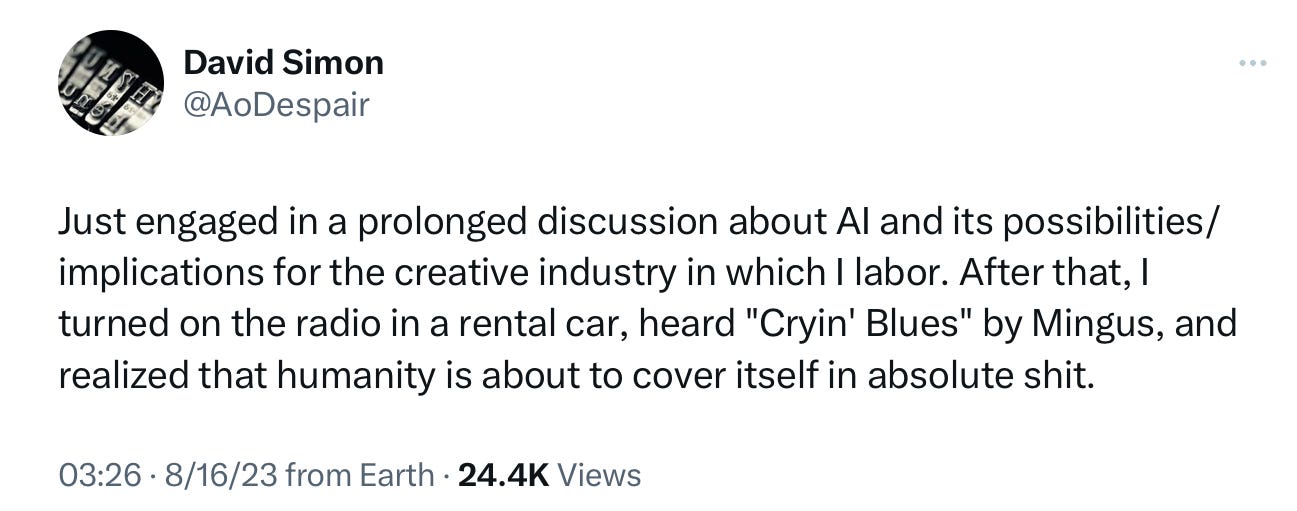
When my employer lays me off to instead pay AI platforms to generate text, code, or graphics, they are buying stolen goods. Those platforms use the work of people like me all over the world, without permission, to train their products to replace the human element for profit.
If one believes investor media, this is a huge win for society. More shareholder value and all we had to do was wipe out an entire industry of workers’ methods of survival. What a boon for humanity.
We pay the same price to talk to a loop of buggy chatbots instead of a human being when our utility company has an outage or overbills us. Less reliable information covers our news feeds than we would get from accountable human journalists. We get garbage graphics and copy polluting our feeds.
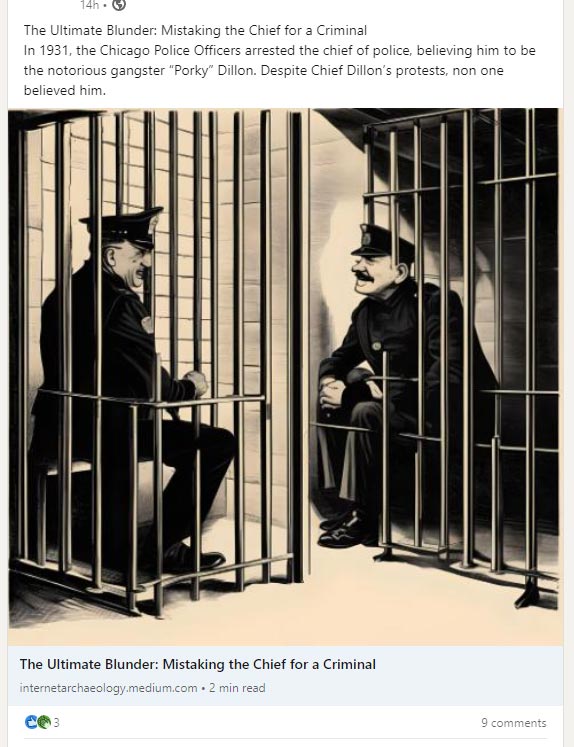
And it’s not even sustainable! As A.I. generated content and data continue to proliferate, we run into greater risk of model collapse. All the laid-off workers and cancelled services will be gone. It’ll be impossible to simply sweep back in and resume their work after it all goes to shit.
Why are we seemingly okay with this? Why is it alright for tech companies to sweep into boardrooms of big businesses, offer poorly-forged work and keep the money for themselves? This is the latest prominent effort to exclude the working class from the economy while still benefitting from our labor.
The Value of Our Identities
Imagine receiving a message with an image of you doing something you’ve never done. Perhaps it portrays you doing something against your personal ethics. Maybe it’s a nude photo that doesn’t even bear a realistic resemblance. It could even portray you engaging in explicit sex acts with the creep who sent the image. Now the image is on the internet and associated with your identity, possibly forever.
One of the phenomena A.I. tools are empowering is the creation of deepfake content about real people. It’s happening to many people most of us don’t know all the time. Leo Herrera details a prominent example in this about the recent prevalence of Henry Cavill A.I. porn.
These images arrest our eyes but, as with all pornography, their true power lies in their questions. Do these violate Henry’s consent or are they the social contract he made in pursuing mega-celebrity? Is this barely legal porn just an extension of erotic fan fiction or the crude 90s Photoshops of Brad Pitt kissing Tom Cruise? How does Henry’s gender factor into this? If a bruised Margot Robbie carried away at the Colosseum was posted by popular accounts, the Hollywood machine and censors would snatch them down.
[…]
What if it was you? If your starring role in a gas station security camera tape was used to make porn? If your neighbor rendered you assaulted behind a dumpster and sent it to their group chat? What if it was your daughter?
Leo Herrera, The Rape of Henry Cavill
Unlike Herrera, who sits firmly on the fence about condemning the use of real human images to create pornography without their subject’s consent, I condemn this with my whole chest. It is harassment, defamation, and an absolute violation.
The Promise of A.I.
We act like A.I. is bribing us with improvements to our lives without them ever actually providing the bribe! Once again, concentrated media ownership sells us our own tail to munch on and we’re sinking our teeth right in.
What they say vs what they’re causing 🙄
“Advances in AGI research will supercharge society’s ability to tackle and manage climate change – not least because of its urgency but also due to its complex and multifaceted nature.”
Folks once AGI is achieved, it will magically solve climate change. It will stop the storms and the floods and the fires. So don’t ask about the environmental impact on the way to AGI.
“and as algorithms become more general, more real-world problems will be solved, gradually contributing to a system that one day will help solve everything else, too.” We are working very hard on the thing that will solve all problems they say, and get tons of money and air time.
Timnit Gebru referencing Real-world challenges for AGI
The promises of A.I. technology hawks are nearly identical to what they promised about cryptocurrency. “It will solve all the world’s problems”, except technology was never the barrier we had to face. The barrier is the ruling class extracting every drop of life from everyone and everything else for their own short term benefit. When the same people are the primary target audience for A.I. technology development, why would we ever expect this technology to help us?
The Value of Labor
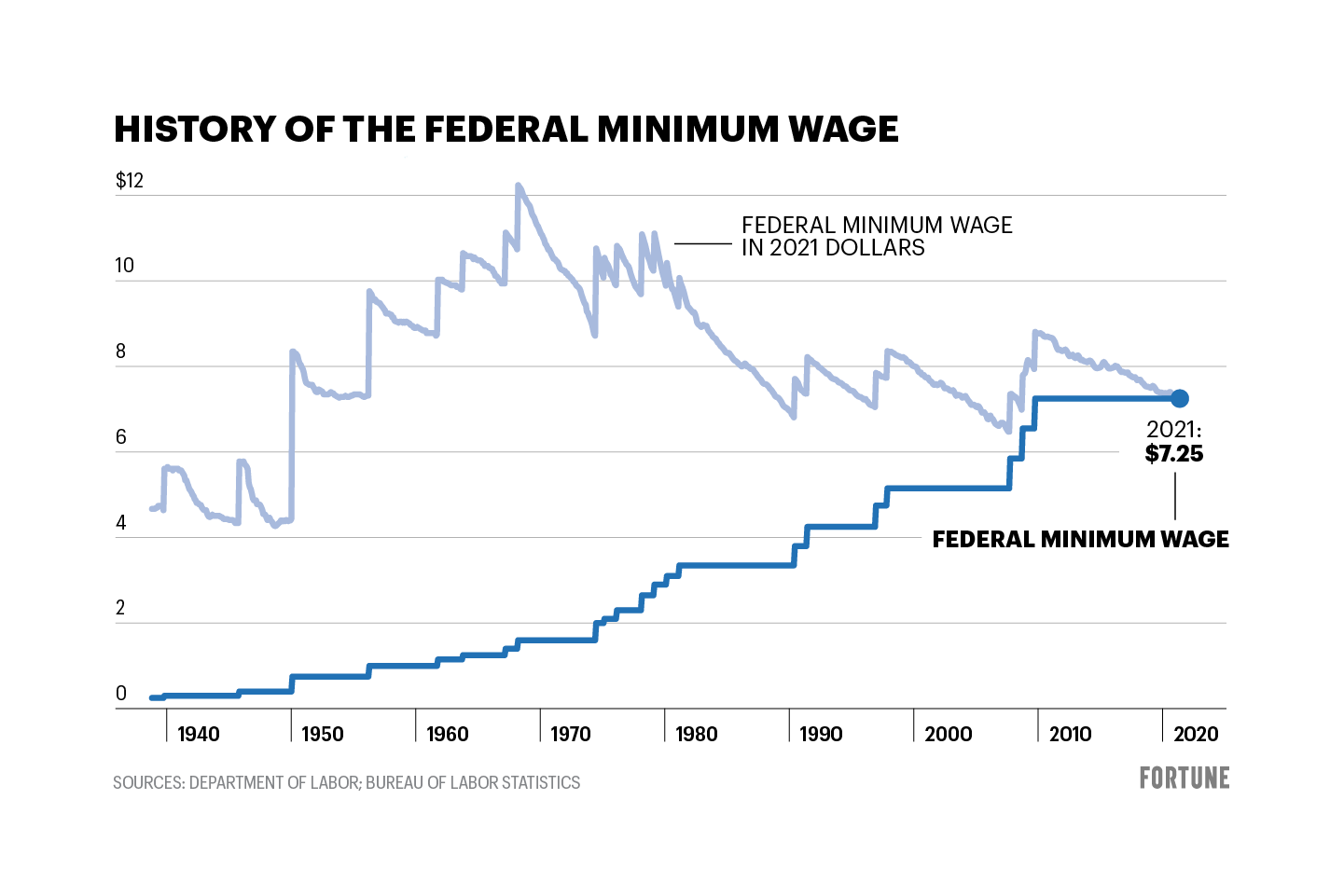
When a capitalist can’t figure out how to automate our job, they look for people so powerless they’ll work for practically nothing. When we encounter this in policy discussions, representatives don’t just shrug it off. They encourage it as “just good business”.
Exporting Jobs
Often to find the really desperate people, they look outside the bounds of our country for workers who don’t have labor protections, minimum wage, and free speech rights. This is a common complaint every election cycle and yet nothing ever seems to be done to stop it from being just a standard expectation of modern American business.
Sometimes, these corporate interests will put their fingers on the scales to make those conditions even more optimal for their benefit.
While successive waves of capitalist development have affected household relations and their sexual division of labour in different ways, the underlying picture is one of intensification of women’s social reproductive work as both the colonial and postcolonial states were ‘complicit in efforts to sustain patriarchal structures of power which underlay the local peasant economy’
The Making of Cheap Labour across Production and Reproduction: Control and Resistance in the Senegalese Horticultural Value Chain
Anyone paying attention to the efforts corporate lobbyists expend to keep wages low in the states is likely unsurprised at the efforts to keep people impoverished and desperate in places less visible to their customers.
While I’d love it if I were the one to radicalize you after sending you down a rabbit hole about how the American empire has sabotaged dozens of foreign countries to keep them “less competitive in the global market” so our oligarchs can add a few more coins to their hoards, I’m sure readers who didn’t already know this would’ve bounced after my second unflattering mention of capitalists.
So I’ll move on for now.
Child Labor
I was 14 when I took my first illegal job. They paid me $4 per hour under the table in store credit for sorting comics, pricing single Magic cards for sale, attending industry events with my boss, running gaming tournaments, and cashier duties. I think about this job mostly fondly because:
- I chose my own hours for the most part.
- It didn’t interfere with my school or social life.
- I was interested in the products, even if I didn’t care about my work involving them.
- I didn’t rely on the pay to survive. Losing the job wouldn’t devastate me.
This was a job of privilege. It and the summer gigs were supplemental things I voluntarily took on for extra cash to buy Magic cards, go to the movies, rent a Super Nintendo game from Blockbuster, or buy a slice and a root beer from the local pizza shop.
These are the jobs rich people use as their frame of reference when they talk about minimum wage jobs or the movement to continue ignoring and even bring back child labor in the U.S. They don’t talk about the migrant kids working in the fields, the factories, or the mines, even though those are the places where big business stands to gain the most from relaxing these laws.
The people pushing this are massive capitalist organizations hiding behind Super PACs and lobbying firms aiming to deflate the value of human labor.
Labor activists argue that employers have other options for attracting workers—for example, raising wages and improving conditions.
Sarah Lazare, The Conservative Astroturf Organization Rolling Back Child Labor Protections
Are we okay with this? I hope not. We weren’t okay with it in 1938, when Congress passed the Fair Labor and Standards Act. The next few elections and court appointments will determine some changes to these protections if the folks who own our news media have their way.
Theft We’re Apparently Not Okay With
Judging by the conversations I’ve witnessed online and in real life, there are some confusing ethical stances floating around right now.
Shoplifting
Whenever I’m involuntarily witness to TV news out in the wild, I see headlines about rising petty crime like shoplifting and car break-ins. Recently citizens shared footage of someone looting an Apple Store in my neighborhood everywhere, and the comments sections are full of people making idiotic statements like:
- “Why didn’t anyone tackle him!?” because 0.000000001% of Apple’s profit margins are worth an average citizen risking life and limb.
- “This is what happens when liberals are in charge of the DA office.” while crime tends to get worse under the watch of hardliners.
- “This is why we need more funding for cops!” as if a private company’s shrink losses are somehow the public’s responsibility, and as if police ever prevent crime from happening. (They don’t)
When I see media coverage of thefts like these, I think to myself:
- “Our society is damned if we can’t protect people from this level of desperation. We need to do much more to eradicate poverty.”
- “Let me look at statistics to see if crime is actually getting worse” (Recently, yes)
- And in some cases, “Good. Fuck the giant global corporation who displaced the local businesses that used to be there. Hopefully they leave and the storefront’s rent will decrease enough for small businesses to return.”
The police caught the perpetrators of the Apple Store robbery a few days later. The phones were worthless floor models no one would be able to use and only fools would buy. Insurance covered everything. There was no real news here, but it went viral all our algorithms promoted it anyway. I wonder why. 🤔
Copyright Infringement
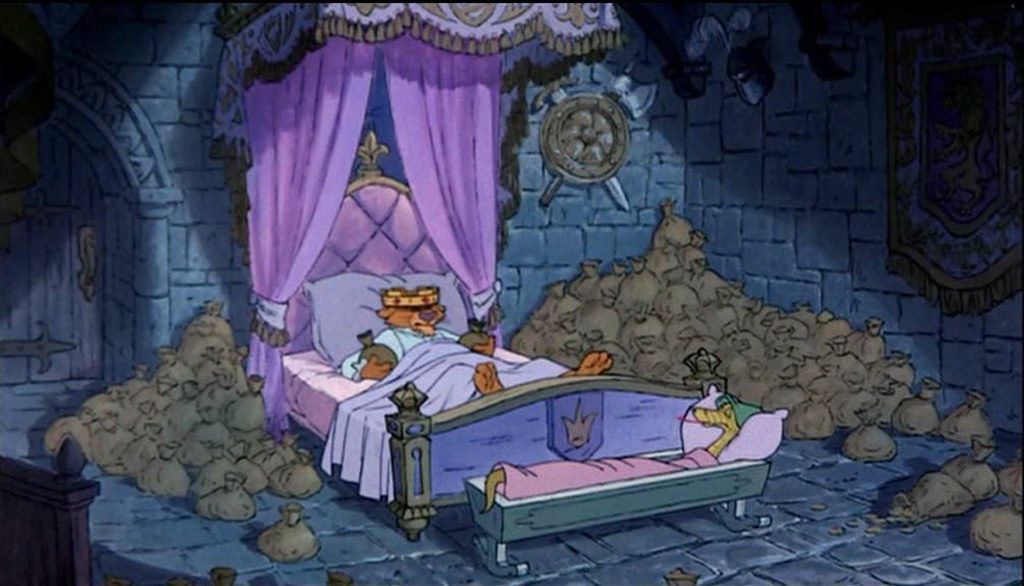
We’re supposedly okay with corporations stealing artists’ work at a massive scale. We’re apparently not okay with a streamer playing a Nintendo game. Heaven forbid they use more than 30 seconds of a song there. These sins apparently deserve the massive technological undertaking of a platform to enforce.
Heaven forbid someone drew a picture of Mickey Mouse before last year.
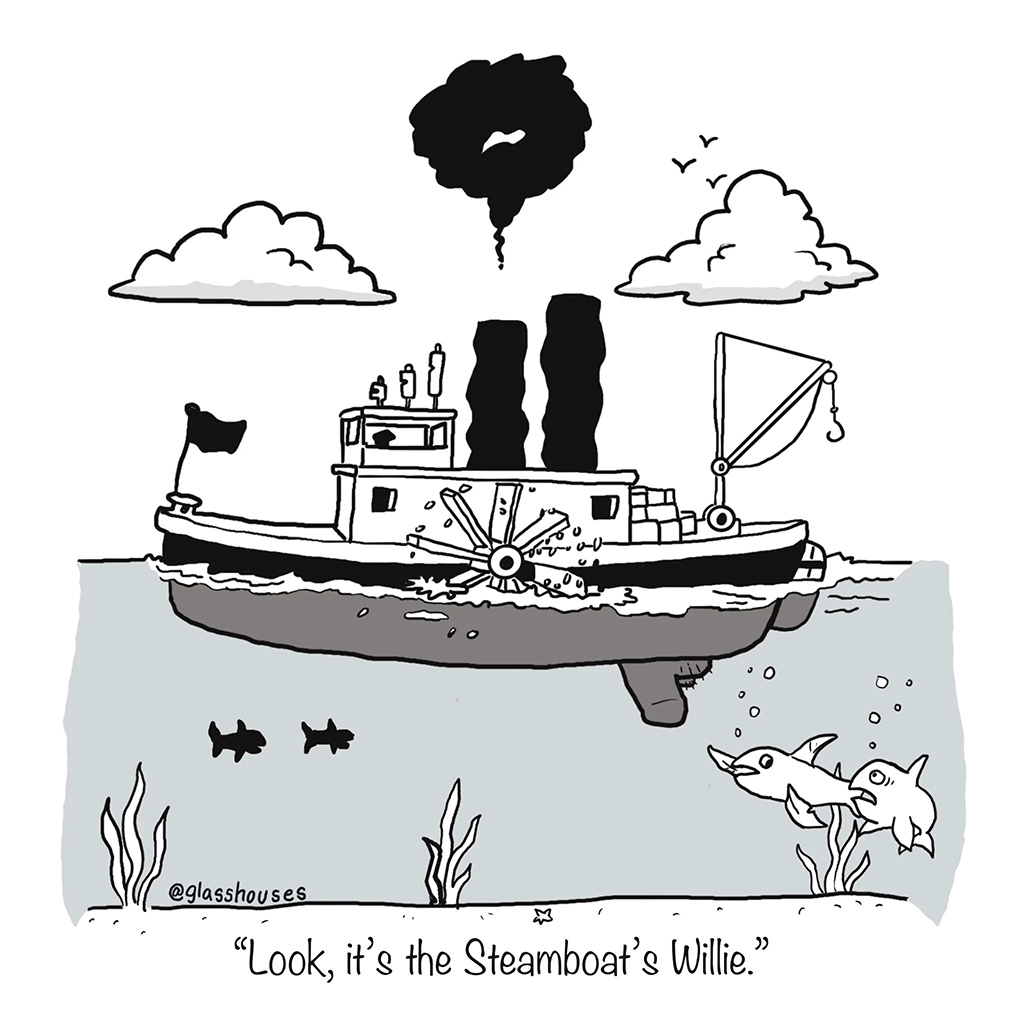
Platforms tell us it’s unethical to share our streaming accounts with friends and family or use an ad blocker. The board rooms of these companies made up this weird new concept.
The same board rooms determined how little they pay the artists who create the work that brings customers to their platforms in the first place. Politicians focus our tax dollars on protecting these “helpless victims”.
Extraction
The differences between media coverage of these thefts seems to say: Disadvantaged people stealing from the rich is bad, but rich people stealing from them is good.
Slaves, obey your earthly masters with respect and fear, and with sincerity of heart, just as you would obey Christ. Obey them not only to win their favor when their eye is on you, but like slaves of Christ, doing the will of God from your heart.
Ephesians 6:5-6 (The Bible)
We’re supposed to imagine Christ as a slave owner… and continue worshipping him? 🤨
When we absorb the propaganda, we take on the mantle of sacrificing ourselves — our labor, our creativity, our identity, our health, our environment, our time on this planet, and those of all our children — to “The Economy” believing it will make everything okay as long as line go up.
I was raised with different heroes.
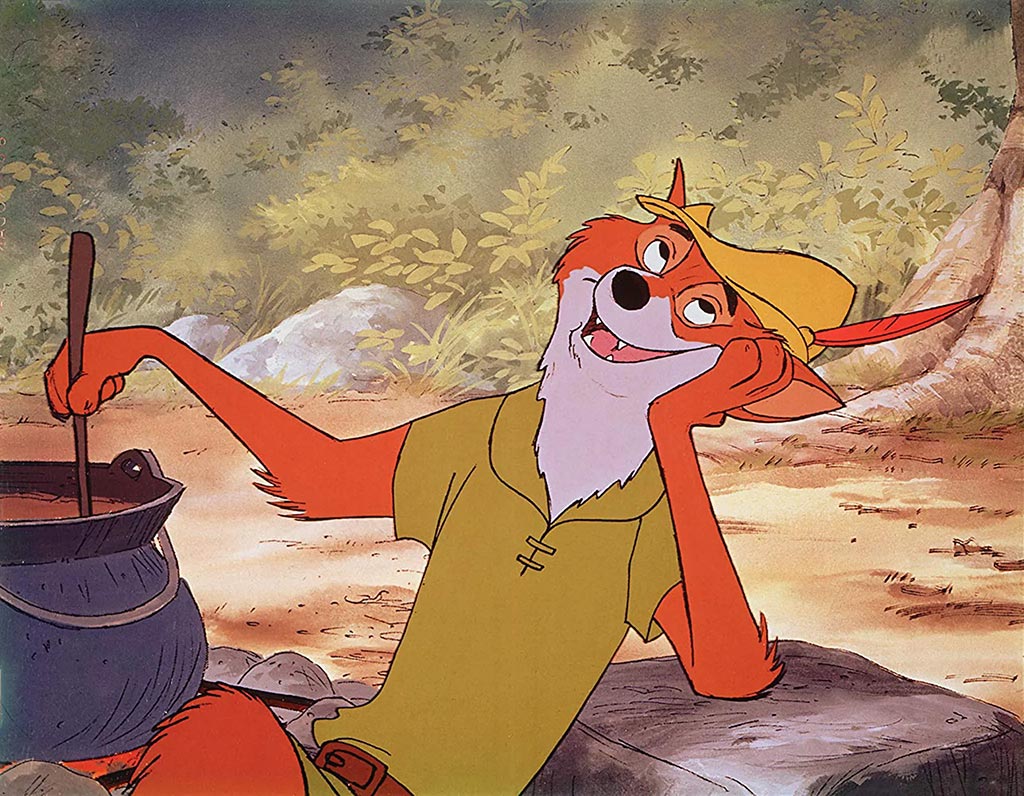
Perhaps I’m still a naive child at 40, but the formative ideas my influences taught me as a kid hold strong today.
I know there are all kinds of bastardizations of him, but the Jesus I grew up with flipped the tables of merchants selling stolen goods (actual footage). He taught about the responsibility the privileged have to the meek of the world. We all cherry pick our sacred texts for the parts that allow us to build gods worthy of our worship, and these were mine.
I was raised with gospel interpretations about eradicating poverty, prison abolition, and anti-authoritarianism. While I no longer bear the labels or participate in rituals, I’ve carried these core beliefs with me for the entire duration of my conscious mind.
Who is it okay to steal from? Blight corporations.
I’ve spoken about this topic so often over the years that I’ve taken to shorten the concept to a quick reference term.
Blight Corporation
noun
a company whose methods are significantly more harmful than helpful for people globally.
An incomplete list of qualifications for a blight corporation:
- Lobbying government to act against the public in its favor
- Union busting
- Ignoring worker safety protocols
- Outsourcing jobs to exploit cheap labor in other countries
- Engaging in mass layoffs while still profitable
- Engaging in monopolistic anti-competitive practices
- Preventing consumers from owning and repairing products they buy
- Using, selling, or storing personal user data gathered illegally or without permission
- Knowingly promoting misinformation and disinformation
When I look at these practices, I can think of hundreds of American companies who check every box. Some of which I still use occasionally in my daily life, often because of the lack of other options. Without changing the way our economy works, the environment is such that an ethical competitor can’t exist for long before being swallowed.
Consumer Vigilantism
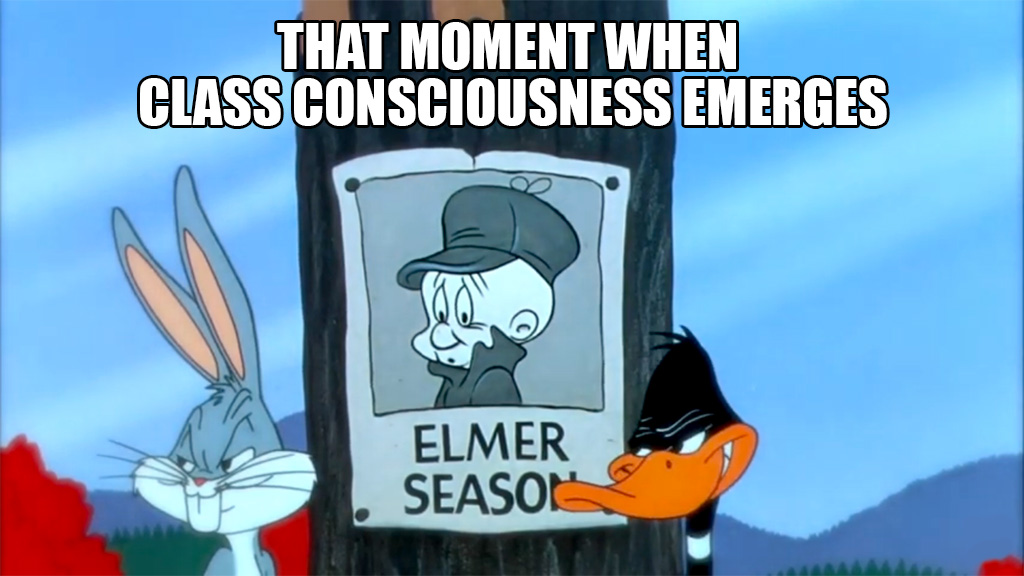
So when I see people shoplifting from CVS — one of the two companies responsible for the closure of every other small pharmacy business in the Bay Area — I cheer them on. If I had a baby who needed diapers and I couldn’t afford them, best believe I’d steal them from a megacorp.
Stealing from a blight corporation is more ethical than paying them.
Piracy
As a child of the Napster age, I loved my newfound ability to listen to whatever music I wanted to whenever I wanted for free just by waiting 5-60 minutes to download 3 different versions of it hoping one wouldn’t be a virus or a Rick Roll.
The only issue with piracy to me is the artists get shafted… again. But the artist gets shafted when we use “legitimate” methods to consume their work too. The label or Spotify or whoever else shafted the artist the moment they signed their contract.
Now I reserve piracy specifically for consuming media by horrible people. To this day, I still pirate Metallica music every opportunity I get. Jailbroken EA games, classic old specials from problematic comedians, previous (superior) versions of software that’s since gone subscription-based.
I get it. It sucks to be the victim of crime.
Thieves have stolen every bike I ever owned, broken into my cars, and mugged me multiple times. The initial reaction to these experiences is naturally to hate and want revenge against the perpetrators.
Many worse crimes affect us every day. These crimes remain invisible because video of a smash and grab is more compelling than the strokes of a few pens or handshakes on country club golf courses. These thefts are the ones that deserve to be the focus of our ire.
Robin’s Wily Pack
Clever readers may have caught the theme of this post along the way. I recently rewatched Disney’s 1973 masterpiece Robin Hood and it struck me in the heart strings and compelled me to finally finish writing this piece that’s been tumbling around my mind for months. (I also just finished playing Pentiment which has similar themes)
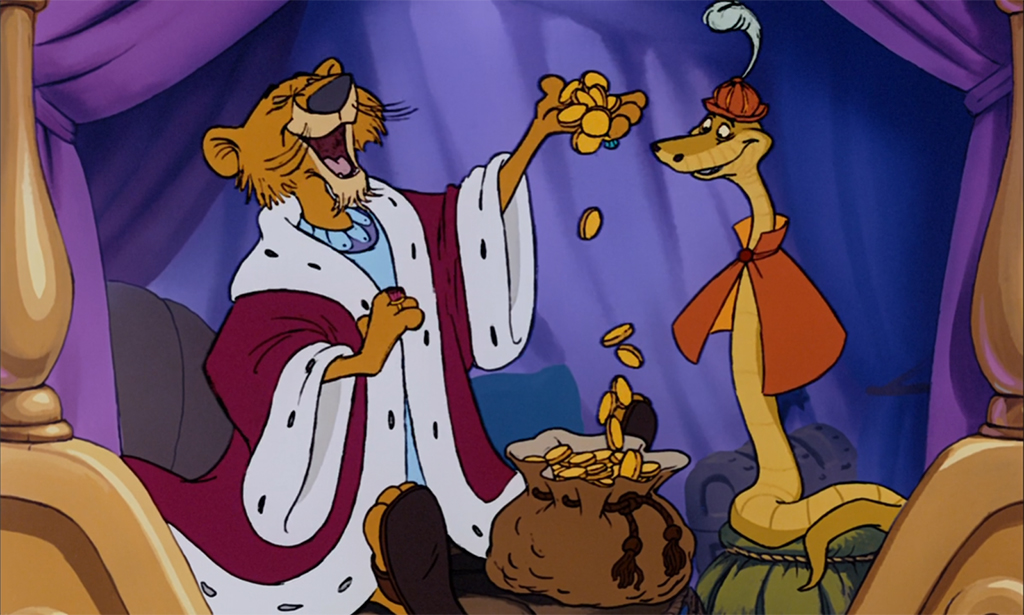
Robin Hood is the hero of a time when the existing power structure defended near-lethal wealth extraction from the impoverished at the point of a sword. His bravery in the face of danger helped his friends and community survive long enough for the state to regain its senses a bit and correct the injustices of Prince John. I view the measures regular folks are taking today, in a similar time, as a means of weathering the storm of austerity, corporate imperialism, and Reaganomics which plague our society.
I’m under no illusion that arguing with people on the internet or the minor ways I poke at the ankles of big companies are truly Robin Hood-like. I just wish more people could see the culture wars playing out in our feeds and TV screens for what they are and show some solidarity with the weak.
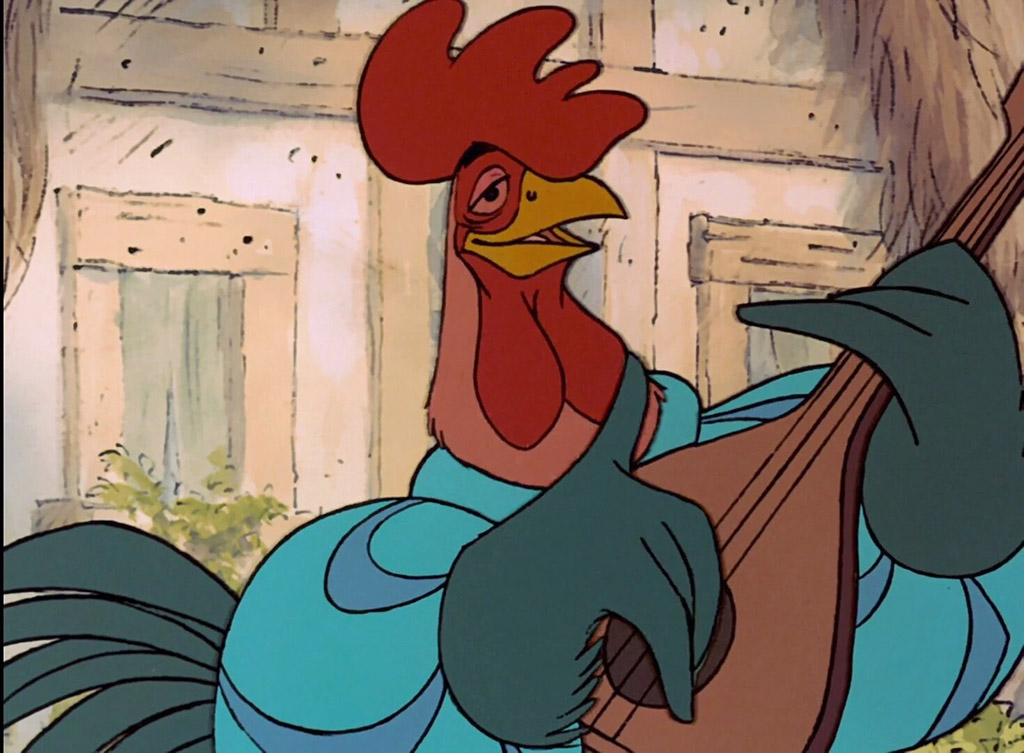
While he taxes us to pieces
The Phony King of England
And he robs us of our bread,
King Richard’s crown keeps slippin’ down
Around that pointed head
Ah! But while there is a merry man
In Robin’s wily pack,
We’ll find a way to make him pay
And steal our money back.
A minute before he knows we’re there
Ol’ Rob’ll snatch his underwear.
Composed by Johnny Mercer
Performed by Phil Harris as Little John
More content on the topics discussed here: